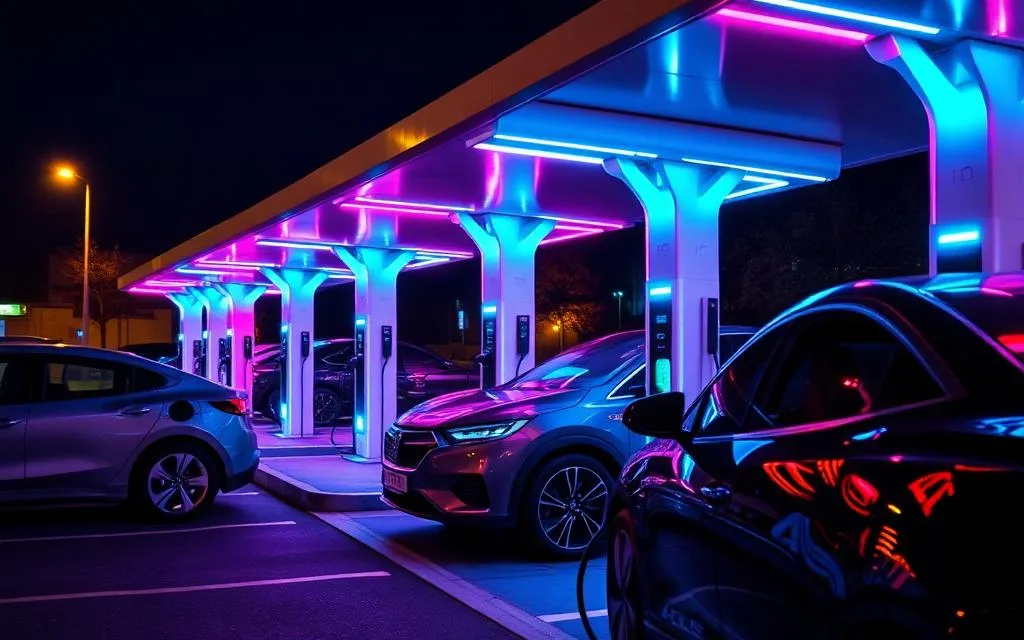
Grid Reliability in India — How EV Charging Owners Should Prepare
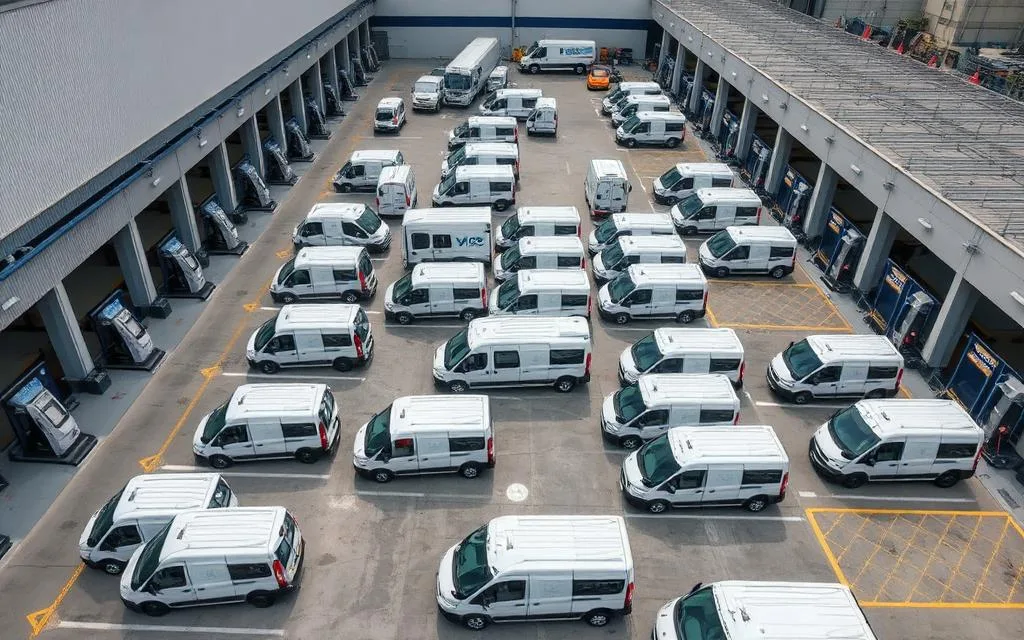
"What happens to my EV charger when the grid drops?" — India's grid has come a long way, but voltage dips, brownouts and unplanned trips are still a daily reality for many districts. For charging station owners, every minute of downtime is lost revenue. Here's the playbook.
What Actually Goes Wrong
Three failure modes dominate: voltage sags (sub-200V) that cause DC chargers to derate or trip, complete outages from upstream feeder trips or weather, and transformer overload when too many fast chargers fire simultaneously at a shared substation.
Surge & Sag Protection
Every charging site needs Class II SPDs at the LT panel, plus per-charger SPDs at the input. Add an automatic voltage stabilizer (AVR) rated at 1.2× peak load for sites in voltage-unstable zones. Cost: ₹40,000–₹1,50,000 depending on capacity. ROI: a single avoided charger fault pays for the kit.
Battery Energy Storage (BESS) for Critical Sites
For highway corridor sites where downtime kills the business, a small BESS (50–200 kWh) buys 1–4 hours of continued operation during outages and shaves peak demand charges from your DISCOM bill. Payback for BESS at well-utilized DC sites is typically 4–6 years.
Dedicated Transformers
If your site has 100+ kW of DC fast charging, push for a dedicated transformer. Shared transformers mean your 60 kW DC charger will throttle when neighbouring loads spike. KSEB and most DISCOMs permit dedicated transformers above 75 kVA.
Smart Load Management
Modern CMS platforms with OCPP 2.0.1+ let you dynamically cap total site load, prioritise specific stalls, and throttle gracefully when grid conditions worsen. PixellEnergy's platform ships with smart load management by default.
The Solar + Storage Combo
If your site has 200+ sq m of unshaded roof, a 20–50 kWp rooftop solar plant tied to your BESS turns sunny-hour charging into ~₹2/kWh procurement cost. The economics are getting harder to ignore — most of our 2026 site rollouts include a solar option in the design.
Operational Hygiene
24/7 remote monitoring with SLA-backed alerts. On-call electrician within 60 minutes. Spare contactor and cable kits on-site. Monthly thermography on the LT panel. These boring things separate 95% uptime sites from 80% uptime sites.
Get a Resilience Audit
Existing site owners can request a free grid-resilience audit from our engineering team — we'll review your single-line diagram, recommend the right protection kit, and quote BESS / solar if applicable.
Sources & References
- Grid and distribution performance reports — Central Electricity Authority
- Guidelines & Standards for Electric Vehicle Charging Infrastructure — Ministry of Power, Government of India
- IS 17017 series — EV conductive charging system standards — Bureau of Indian Standards
Figures cited are as published by the sources above on their stated dates. Policy quantum, caps and tariffs change — verify with the relevant nodal agency or utility before committing capital.
Get a Free Commercial Site Assessment
We'll analyse your location's potential, estimate ROI, and handle state discom approvals.
2026 South India EV Charging Subsidy Guide
KSEB, BESCOM, TNPDCL & TGSPDCL approvals, subsidies & installation costs — free download.