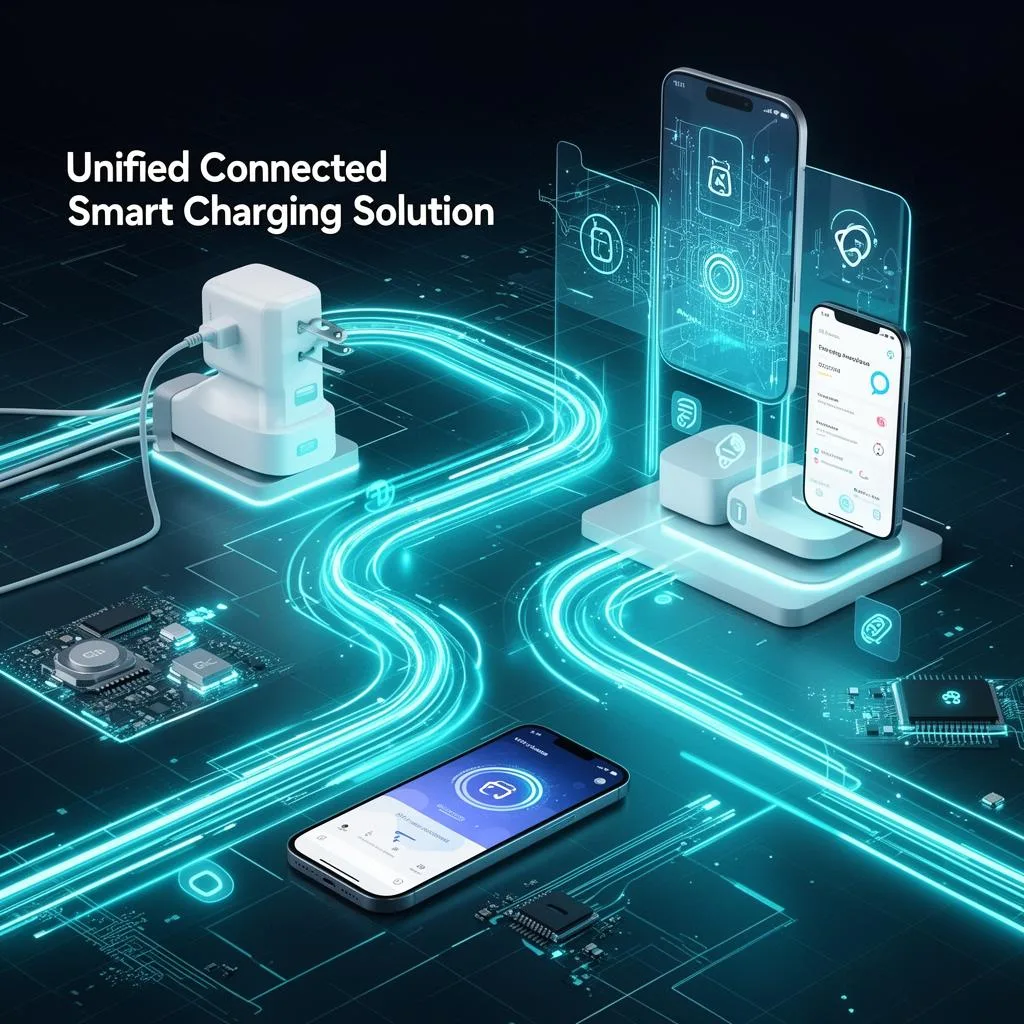
"Why do I need 8 different apps to charge my EV?" — You shouldn't. The protocol that fixes this is called OCPI, and it's the unsung hero of every "universal charging" app. Here's how it works.
OCPP vs OCPI — The Quick Distinction
OCPP connects a charger to its own backend (CMS). OCPI — Open Charge Point Interface — connects one charging network to another. OCPP = inside one network. OCPI = between networks. The two together enable seamless roaming.
What OCPI Carries
Four core data flows: (1) Locations — where chargers are, what type, status. (2) Sessions — when a roaming driver starts/stops a charge. (3) CDRs (Charge Detail Records) — billing data for settlement. (4) Tariffs — pricing transparency before the session begins.
How a Roaming Charge Works
Step 1: You open Network A's app, see a Network B charger nearby. Step 2: You tap "Start". Network A's backend sends an OCPI session command to Network B. Step 3: Network B authorises, starts the charger, meters the session. Step 4: At end-of-session, Network B sends a CDR to Network A via OCPI. Step 5: Network A bills you, settles with Network B monthly.
OCPI Versions
OCPI 2.2.1 (2021) is the current production standard — supports hub-style architectures, smart charging signals, and tokens for plug-and-charge. OCPI 3.0 (in active drafting) adds bidirectional flows and richer pricing. Indian roaming hubs are standardising on 2.2.1.
Where India Stands
Most large Indian CPOs now support OCPI 2.2 or 2.2.1, and at least three roaming hubs are operating. PixellEnergy connects to every major Indian CPO via OCPI — which is why our PixellEnergy EV app shows tens of thousands of public connectors regardless of who operates them.
The Government Push
MoP and BEE have signalled that OCPI-compliant roaming will be a requirement for stations claiming PM E-DRIVE subsidies. This is the right move — without roaming, the entire public network is stuck in islands.
Why It Matters for You
If you're a driver: insist on apps that support OCPI roaming (so you only need one). If you're a site owner: insist your CPO supports OCPI 2.2.1 — it directly increases your charger discovery and utilization.
Sources & References
- Open Charge Point Interface (OCPI) specification — EVRoaming Foundation
- Open Charge Point Protocol (OCPP) specifications — Open Charge Alliance
- Pulse Energy onboards 10,000 EV chargers to Unified Bharat eCharge — ET Auto / Economic Times, Aug 2026
Figures cited are as published by the sources above on their stated dates. Policy quantum, caps and tariffs change — verify with the relevant nodal agency or utility before committing capital.
Book a Free Home Survey
Our engineer will assess your setup and provide an exact quote — no obligation.
2026 South India EV Charging Subsidy Guide
KSEB, BESCOM, TNPDCL & TGSPDCL approvals, subsidies & installation costs — free download.